Seven Sins
Aliases: Seven Deadly Sins
- What
- A set of 7 demonic grimoires
- Origin
- Age of Myths
- Bodies
- Outside the dimension; copies across the universe
- Seals
- Removal = 'return to the original state'
- Known members
- Gluttony, Pride, Envy, Lust
Description
The Seven Sins are a set of seven ancient grimoires, each denoting one of the deadly sins and possessing its own unique power. Their bodies lie outside this dimension, in a place without life, sending separate bodies into a number of other worlds; the grimoire of this world is but one of many copies scattered across the universe. For them, removing seals is a 'return to the original state': the more seals unlocked, the closer the grimoire comes to its true might. By Superbia's measure, at the 6th stage a grimoire can single-handedly kill an ancient dragon.
The Seven Sins were not originally made to war with one another — but their goals and methods often clash, and then conflict is inevitable. The enmity of Gluttony and Pride is foreordained by their very natures, while Lust generally stays neutral with all. Each grimoire's purpose is tied directly to its power: Superbia seeks to become an absolute, 'final' being by devouring others; Gluttony seeks to gather knowledge by consuming books and artifacts; Lust wishes to 'give birth' to a perfect being. In essence, two of the Seven Sins pursue the same goal, differing only in method.
Over the story Theodore meets several members of the set, and almost all but his own are formidable antagonists. Gluttony is his book-eating grimoire. Pride (Superbia) is an autonomous, free-roaming grimoire, a 'specialist in usurping creatures': it is made of those it has eaten and, in battle, copies and combines the traits of any being. Envy (Invidia) is a parasitic grimoire whose host became the Emperor of Andras himself; it steals others' unique abilities, maximizes their potential, and unites them in one body. Lust manifests its power through sexual stimulation, and no man can resist it. The full roster of seven — with sins such as Wrath (Ira), Sloth, and Greed — is revealed gradually, and the very purpose of the Seven Sins' arrival in this world remains one of the novel's central mysteries.
The Grimoires
Gluttony — Theodore's grimoire; eats books and artifacts, turning them into mastered spells and knowledge.
Pride (Superbia) — an autonomous, free-roaming grimoire; a 'specialist in usurping creatures,' made of those it has eaten, copying their best traits and instantly eliminating its own weaknesses. Gluttony's direct foe.
Envy (Invidia) — a parasitic grimoire whose host became the Emperor of Andras; it steals unique abilities (especially swordmasters' aura techniques), maximizes and combines them. 'Envious theft.'
Lust — manifests power through sexual stimulation, can dominate any man, and seeks to 'give birth' to a perfect being; usually stays neutral with the other Sins.
Nature & Purpose
Each grimoire is a self-contained being with its own voice and will. Its power is tied directly to its purpose: some wish to become an absolute being, others to gather all the world's knowledge. Removing seals restores a grimoire to its true power, and their bodies are scattered across many dimensions.
The Seven Sins need not be enemies, but clashing methods make conflict inevitable. The true purpose of the set's arrival in this world and its link to the Age of Myths is a mystery Theodore can unravel only as his own grimoire's seals are removed.
Relationships
-
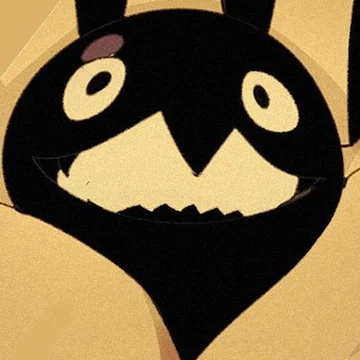 GluttonyMember (protagonist's grimoire)
Theodore's book-eating grimoire; one of the Seven Sins.
-
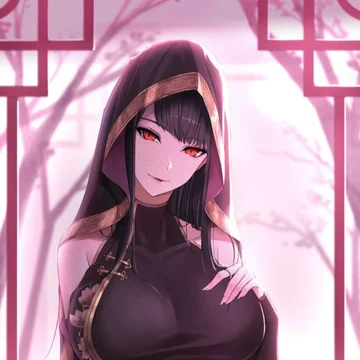 LustMember (antagonist)
A grimoire acting through sexual stimulation; stays neutral with the others.
- Andras EmpireHost of Envy
The Emperor of Andras himself is the host of the Envy grimoire (Invidia).
- Age of MythsOrigin
The Seven Sins set traces back to the Age of Myths.